
South Korean esports organization DRX has closed its 2025 fiscal year in the black, reporting approximately $8.6 million in total revenue and breaking the industry standard of heavy reliance on sponsorship dollars. The organization posted a net profit of $6,600 and an operating profit of $242,000 for the twelve-month period ending in December, proving the viability of a business model anchored almost entirely in publisher revenue sharing and digital intellectual property.
The financial disclosure highlights a stark departure from the traditional esports economy. Historically, competitive gaming organizations have relied on brand sponsorships to make up anywhere from 60 to 80 percent of their annual income. For DRX in 2025, sponsorships accounted for a marginal 8.7 percent of the pie. Instead, the organization survived and ultimately profited off the back of direct operational success and digital ecosystems, which combined to generate 82.3 percent of all incoming capital.
The Publisher Revenue Paradigm
The breakdown of the $8.6 million total illustrates exactly how top-tier partnered organizations are currently monetizing their fanbases. Team operations stood as the massive primary pillar, generating 55.2 percent of the revenue. In the modern tier-one ecosystem—specifically in Riot Games titles where DRX holds its most valuable assets—this category encompasses league stipends, broadcast revenue sharing, prize money, and direct content monetization.
Digital goods followed as the second-largest sector, bringing in 27.1 percent. This intellectual property category represents the long-term holy grail for esports organizations: selling zero-marginal-cost digital items inside the game clients themselves.
DRX 2025 Revenue Breakdown (%)
The contrast between digital and physical commerce is particularly striking in the DRX ledger. While digital goods brought in more than a quarter of the organization's revenue, physical merchandise accounted for just 2.6 percent. Physical apparel requires manufacturing overhead, global shipping logistics, warehousing, and inventory risk. Digital goods, facilitated through developer partnerships, deliver nearly pure profit once the initial design costs are covered, allowing the organization to scale its earning potential globally without shipping a single physical jersey.
The academy system also proved its worth, accounting for 6.4 percent of revenue. South Korea boasts the most robust talent pipeline in global esports, and DRX operates one of the most historically successful training grounds in Seoul. Monetizing trainee development, scouting, and eventual player buyouts provides a reliable secondary income stream that insulates the main rosters.
Competitive Anchors and Digital IP
To understand how DRX successfully leveraged team operations and digital goods to eclipse traditional sponsorship, the organization's historical footprint in both League of Legends and VALORANT is vital context. Digital revenue in modern esports is not granted passively; it is earned through tier-one partnership slots and legendary competitive milestones that solidify global IP demand.
The foundation for DRX's current digital strength was largely cemented during the 2022 League of Legends World Championship. Entering the tournament as the lowest-seeded regional qualifier, the team executed a Cinderella run from the play-in stage in Mexico City all the way to lifting the Summoner's Cup in San Francisco. That championship did more than yield immediate prize money. It permanently etched the DRX brand into the game client via the bespoke set of Worlds winner skins. The long-tail revenue from historical in-game cosmetics continues to reward organizations long after the confetti settles.
DRX Strategic Milestones
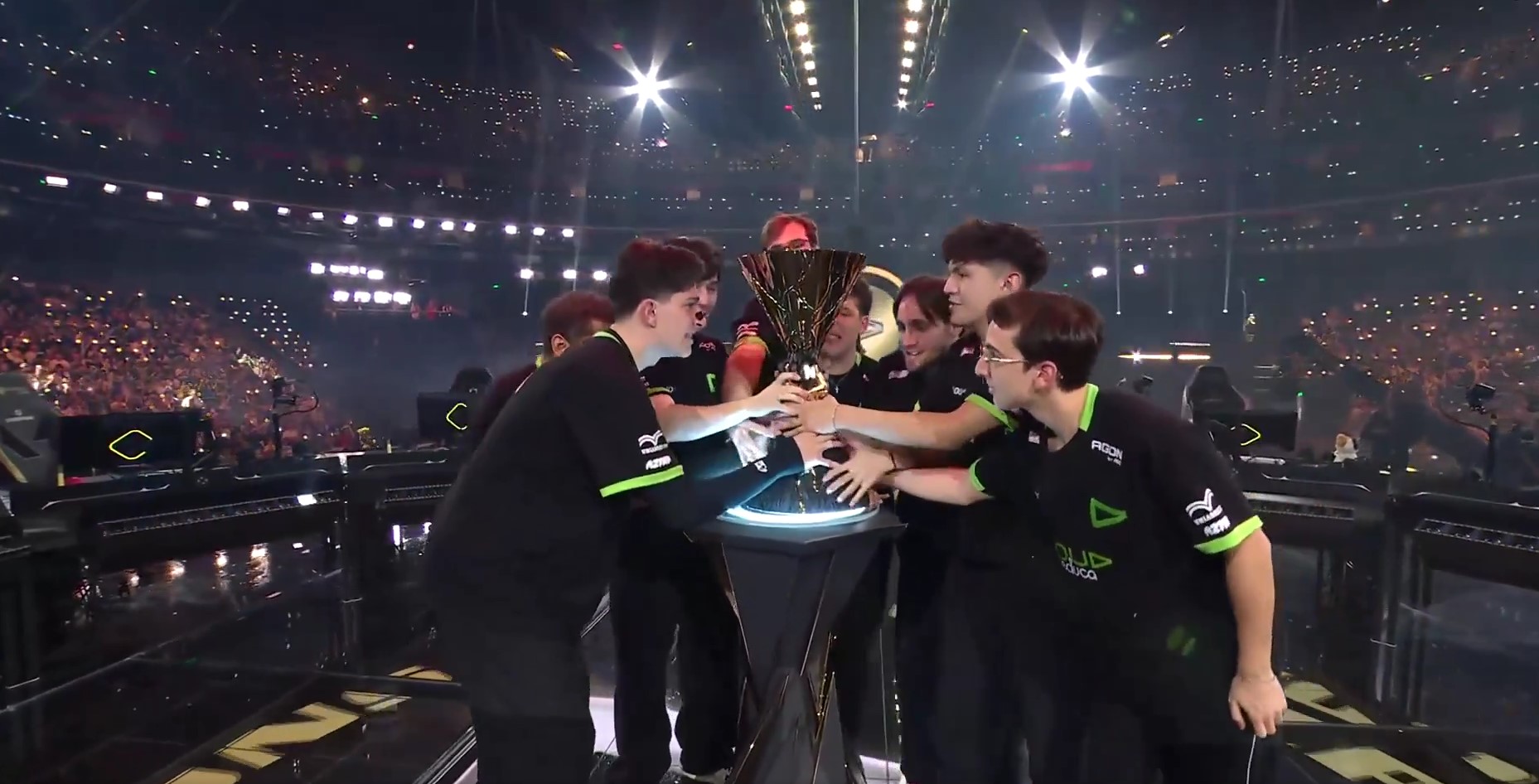
That competitive pedigree carried directly into Riot Games' tactical shooter. When the VALORANT Champions Tour pivoted to an international partnered league model in 2023, DRX was selected as a founding member of the Pacific league. This partnership is the engine behind modern digital revenue. Riot Games introduced VCT team capsules—in-game cosmetic bundles featuring team logos and colors—where the organizations take a direct cut of the sales. Because DRX maintained its status as a premier competitive force in the Pacific region, fan adoption of their digital IP remained consistently high, directly feeding the 27.1 percent digital goods slice of their 2025 ledger.
The Chaebol Contrast and Kiwoom Arrival
Achieving profitability on a digital-first model makes DRX a unique case study within the South Korean landscape. The LCK (League of Legends Champions Korea) ecosystem has historically been dominated by organizations backed by massive corporate conglomerates, known as chaebols. T1 operates with the financial weight of SK Telecom; KT Rolster is backed by the Korea Telecom giant; Hanwha Life Esports is bankrolled by an insurance titan; and Dplus KIA enjoys heavy automotive support.
Operating independently without a multi-billion-dollar parent company to absorb operating losses, DRX was forced to build a leaner, more sustainable model. Surviving the industry-wide "esports winter" on an 8.7 percent sponsorship share meant the organization had to meticulously balance its player wage bills against guaranteed publisher payouts. The $242,000 operating profit proves that a strict adherence to internal development and digital IP monetization can actually work, even against heavily subsidized regional rivals.
However, the 2025 figures also highlight a massive area of untapped potential: the sponsorship category itself. Proving that the organization can turn a profit without major brand support makes the property exponentially more attractive to traditional advertisers, who no longer have to worry about acting as a financial lifeline for a sinking ship.
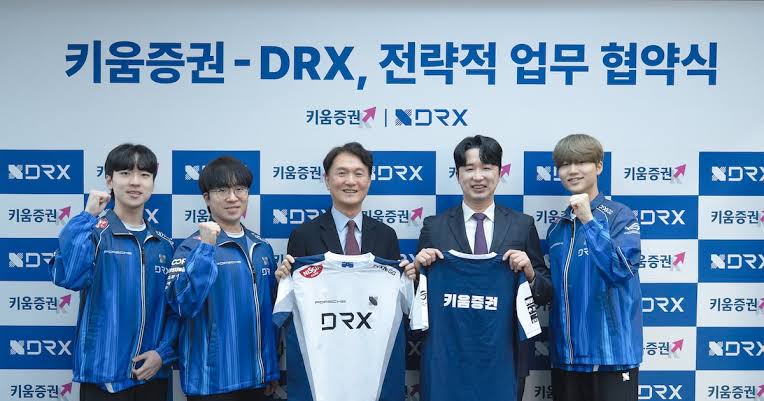
That leverage materialized immediately at the start of 2026. Following the close of this successful fiscal year, the organization signed a sweeping naming rights deal with Kiwoom Securities, officially rebranding the entire club to "Kiwoom DRX."
By securing a flagship financial partner only after stabilizing their core business through digital and sporting activities, the organization changes the math for the coming year. The Kiwoom deal stands to drastically expand the sponsorship slice of the revenue pie in 2026. Because team operations and digital goods are already covering the baseline operating costs, the incoming traditional finance capital can be deployed for direct competitive growth, roster retention, and infrastructure expansion, rather than simply keeping the lights on.
Kiwoom DRX